
Last updated October 16, 2026
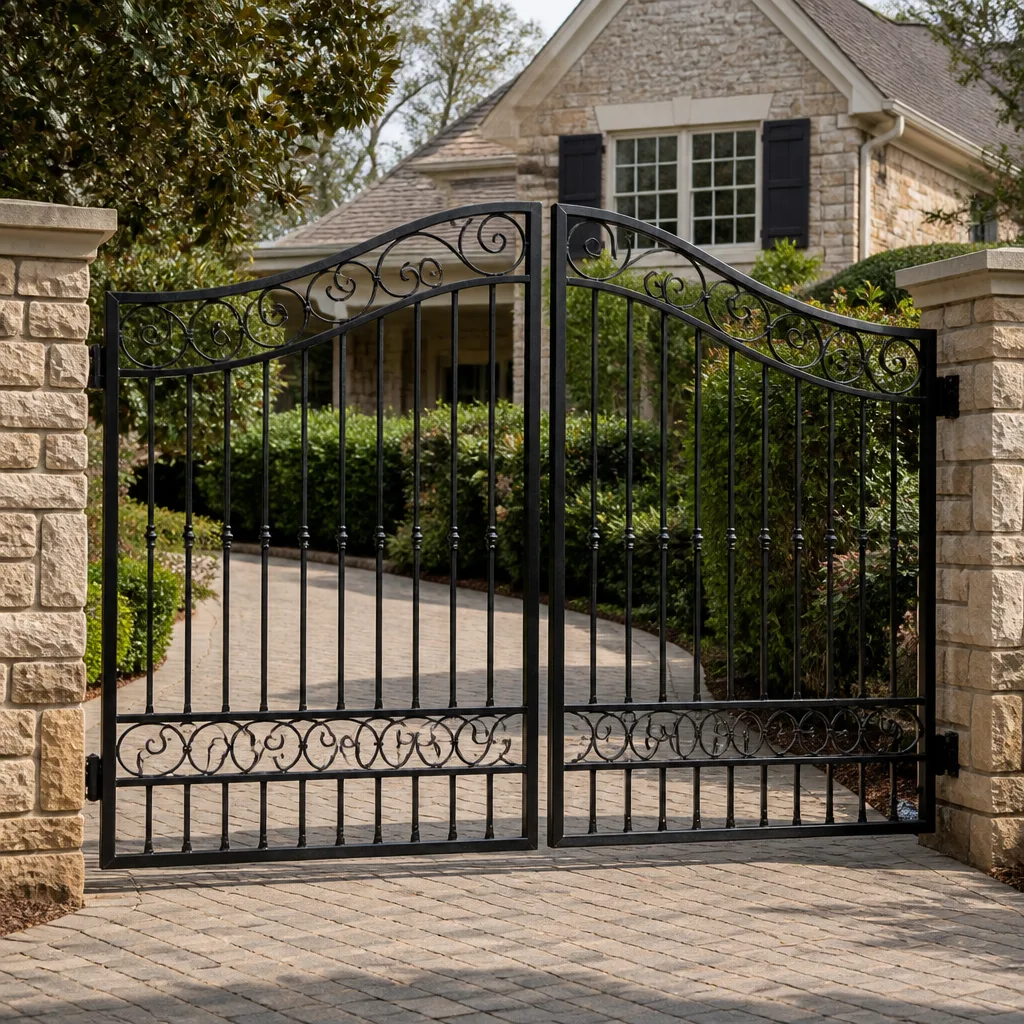 Wrought iron
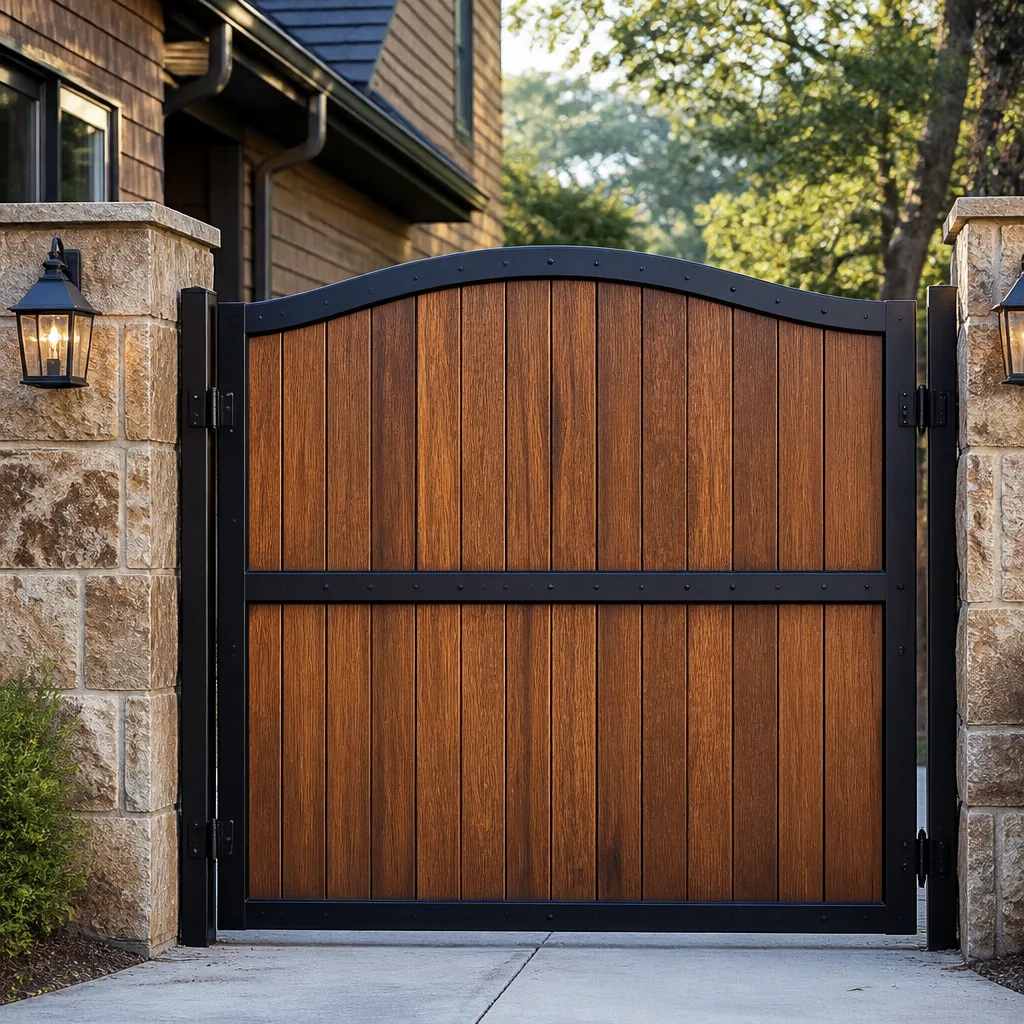 Wood & steel frame
 Farm & ranch
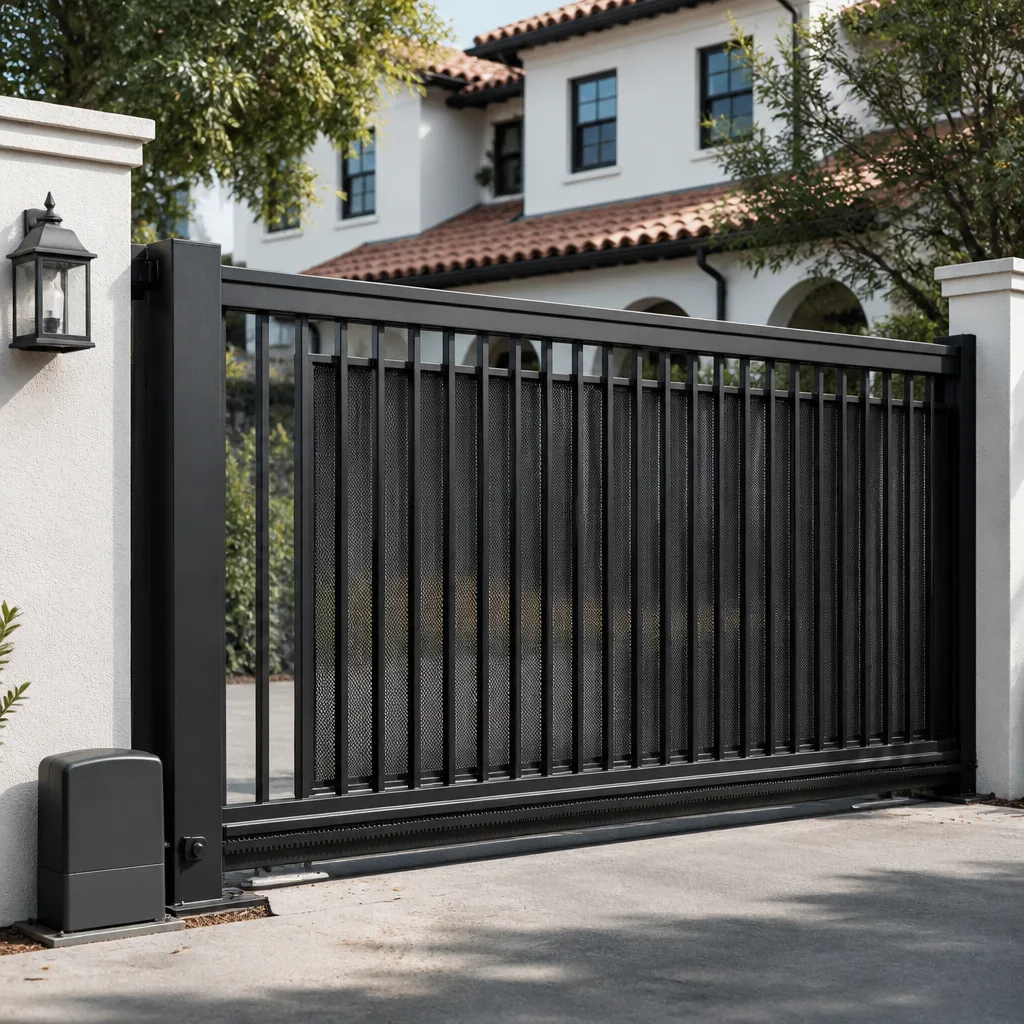 Sliding driveway gates
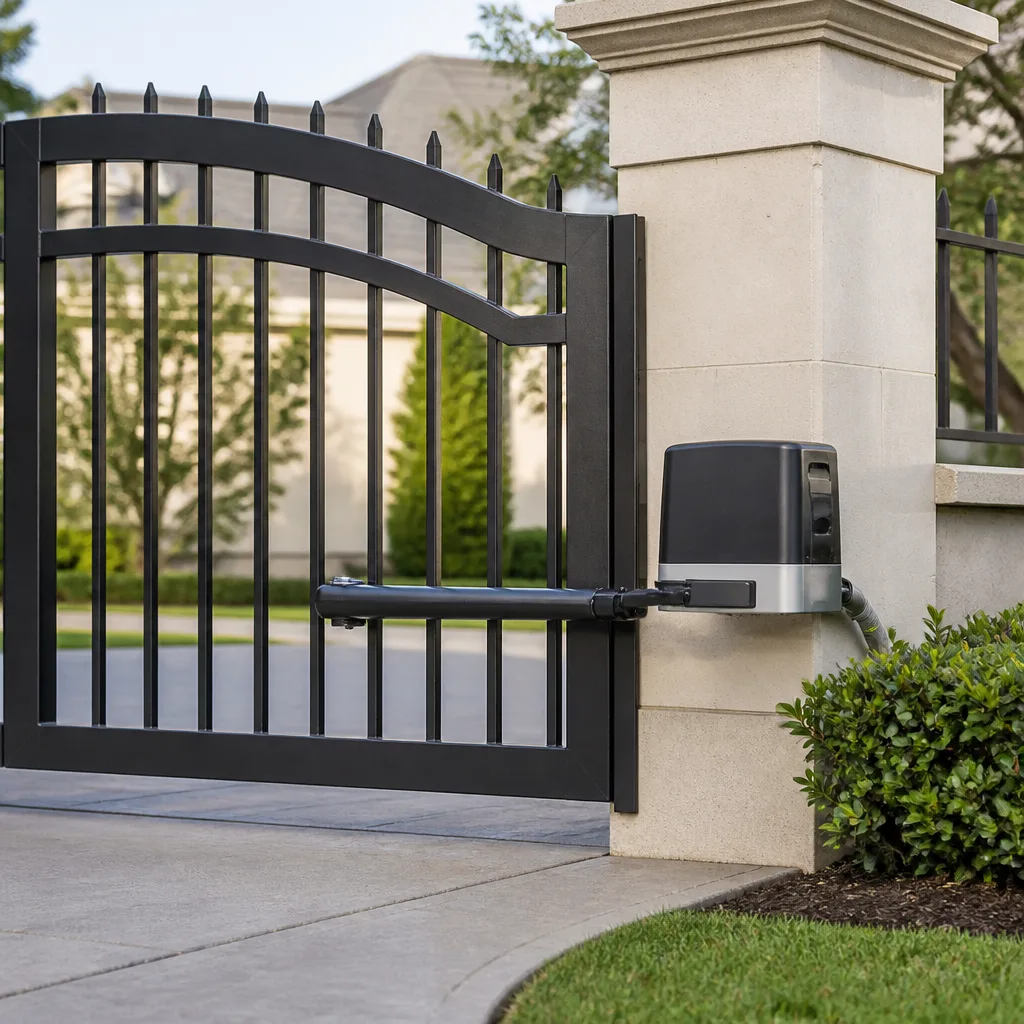 LiftMaster operators
Free on-site gate assessment - hinges, posts, and your LiftMaster or Nice gate operator checked before anything is quoted
The assessment is free and the quote is the invoice.
Get your free estimateSeasonal Gate Repair Care for Orlando: Year-Round Homeowner’s Guide
The most expensive month for gate repairs in Orlando isn’t August, when afternoon thunderstorms roll through like clockwork. It’s October. By then, six straight months of 90% humidity have been quietly working on your hinges, your control board, your wiring, and every piece of wood or metal on that gate. Nothing looked wrong in May. In October, it all surfaces at once. This guide walks you through the actual seasonal cycle that governs gate wear in Orlando, the four windows that matter, what to check in each one, and what you can safely handle yourself versus what deserves a call to a Gate Repair services specialist. We’ve been repairing gates in Orlando since 2008, and the homeowners who follow this cycle spend noticeably less on emergency calls than the ones who wait for the gate to stop moving.
Quick Answer
Orlando’s climate breaks gate maintenance into four practical windows: a wet-season prep in April and May, a storm-response period from June through October, a dry-season hardening window from November through March, and an October post-wet-season audit. The two highest-value actions for any Orlando homeowner are (1) protecting your gate’s electrical components before the summer humidity peaks and (2) doing a full 8-point inspection every October before you assume the gate survived the wet season. Most calendar-based maintenance advice fails here because Orlando’s humidity cycle doesn’t match national seasonal assumptions. The following guide covers each window, what to inspect, what typical repairs cost in this market, and when a professional is genuinely cheaper than another weekend of troubleshooting. For more guides & resources, see our blog.
Styles & brands we work with
Table of Contents
- The Wet Season Prep Window: April Through May
- Post-Storm Inspection Protocol: June Through October
- The Dry Season Nobody Uses: November Through March
- The October Post-Wet-Season Audit: 8 Things to Check
- UV Damage: Why Orlando Sunlight Ages Gates Faster Than the Manufacturer Assumes
- Common Mistakes to Avoid
- When to Call a Professional
- Frequently Asked Questions
The Wet Season Prep Window: April Through May
Orlando’s wet season doesn’t start on a calendar date. It starts the first week that afternoon humidity settles in and doesn’t leave by evening, usually mid-to-late May. The prep window is the four to six weeks before that, when the ground is still dry enough to work with and the electrical system hasn’t yet spent a month marinating in moisture. This is the window where an hour of prevention genuinely saves an October emergency call.
What happens to a gate during a Florida wet season is predictable. Moisture gets into connectors, corrodes terminals, swells wood panels, and accelerates wear on any moving part that lacks lubrication. The failures that follow follow a pattern: first the safety edges get flaky, then the motor draws more current to push a heavier, swollen gate, then the control board starts throwing fault codes, and then one afternoon the gate just stops. By the time you notice, the damage is months old. Our work across gate repair in Orlando has shown the same failure sequence year after year.
Here’s the prep checklist we recommend to every Orlando homeowner, in order of importance:
- Inspect and reseal all low-voltage wire connections. Look for green corrosion on any terminal, any connector, or any splice. In Orlando humidity, corrosion that started in May is a dead gate by September. Replace corroded connectors and apply dielectric grease to every low-voltage connection you can see.
- Check the gate’s ground path. Florida lightning season is real, and a ground that was fine in January may be compromised by rust by May. Confirm your gate opener’s ground wire is intact and the grounding rod connection hasn’t corroded. This is one of the most skipped checks on residential gates in Orlando.
- Lubricate all hinges, rollers, and the drive chain or screw. Use a lithium-based grease on metal-on-metal contact points and a silicone spray on rollers and tracks. Don’t use WD-40 as a long-term solution: it cleans but doesn’t last in humidity.
- Check the gate’s physical alignment. Wet soil shifts. A gate that was perfectly level in February may be dragging by June. Fix alignment issues before the ground softens further.
- Test the safety sensors and photo eyes. Wipe the lenses, confirm alignment, and test the auto-reverse function. If the gate doesn’t reverse when something breaks the beam, tag it for professional attention before the summer.
- Seal exposed wood with a marine-grade sealant. If you have a wood gate in Orlando, any unsealed surface will swell and warp. Apply sealant in April, before the daily rain cycle starts.
- Check that the battery backup holds a charge. Summer storms knock out power regularly in Orlando. If your gate opener has a battery backup, test it now, not during a blackout.
The cost for all of this, if you’re doing the basic items yourself, is maybe forty dollars in materials and an hour of time. The cost of the October emergency we get called for because the corrosion wasn’t caught in May is usually between three hundred and nine hundred dollars, often more if the control board is fried. In neighborhoods like Lake Nona, Baldwin Park, and College Park, we see this pattern season after season.
Post-Storm Inspection Protocol: June Through October
Orlando thunderstorms are not just rain events. They come with lightning, power flickers, and enough voltage irregularity to damage electronic components even when the gate never takes a direct hit. After any significant storm, a five-minute visual inspection can catch damage before it becomes a failure. Here’s what we tell our customers and what we do ourselves after every big Orlando storm passes through town.
First, the control board versus transformer distinction matters more than most homeowners realize. In our experience, when a gate opener stops working after an Orlando thunderstorm, homeowners assume the whole unit is dead. The reality is usually one of two things: the transformer stepped down to protect the system and needs resetting, or the control board took a surge and needs replacement. You can tell them apart with a simple test.
Look at the control board (the flat green or blue circuit board inside the opener housing). If there’s visible scorching, a burned smell, or a swollen capacitor, that’s board damage. That’s typically a $250 to $450 replacement on residential systems from brands like LiftMaster and DoorKing, plus labor. If the board looks clean but the unit has no power, the transformer (the small box that converts 120-volt household current to 24-volt gate current) is the more likely culprit. Transformer failure looks different: no visible damage, no smell, just a silent dead unit. In Orlando’s storm environment, a failed transformer is roughly half the cost of a failed board.
After every significant storm, here’s the protocol:
- Visually inspect the gate for damage. Storm debris can hit a gate hard. Check for bent tracks, dented panels, or anything jammed under the gate’s swing or slide path.
- Test the gate manually before powering it back on. If the gate won’t move freely by hand, don’t force the motor to do it. That’s how stripper gears and bent drive shafts happen.
- Check for water intrusion in the opener housing. A gasket that held in March may have failed by August. Look for condensation on the inside of the cover, water stains, or dampness around the control board. Water in the housing is the fastest killer of control boards we see.
- Verify the safety photo eyes are still aligned and dry. Rain and wind knock them out of alignment constantly. If the gate is behaving erratically after a storm, check the photo eyes before you assume the motor is failing.
- Run a full cycle test. Open, close, and test the auto-reverse by blocking the beam. Do it twice. If anything hesitates, document it.
Voltage surge damage is the silent one. The power flickers during a storm, the surge hits the board, and the damage doesn’t manifest immediately. Sometimes the board works for three more weeks, then dies on a random Tuesday. If your gate opener in Orlando starts showing intermittent fault codes in the weeks after a heavy storm, it’s worth having the board looked at before it strands the gate closed or, worse, open. For homeowners dealing with this right now, our electric gate repair in Orlando page covers board diagnostics and replacement in more detail.
The Dry Season Nobody Uses: November Through March
Here’s the counterintuitive part of Orlando gate ownership: the dry season is when your gate is working, so it’s the season most homeowners ignore it entirely. That’s a mistake. November through March is the only window where you can address the non-emergency items that will become emergencies in summer. It’s also the window where repair scheduling is most flexible, because gate failures drop in the dry season. The gate is fine, so you can finally have someone look at it without urgency.
The dry season maintenance tasks that Orlando homeowners skip, and then pay for in May, are these:
- Replacing the gate opener’s internal battery (not the backup battery). Most residential gate openers have a sealed lead-acid battery that runs the unit’s logic board when the power flickers. In Orlando, these batteries degrade in two to three years regardless of how often the gate cycles. If your gate opener is over three years old and you’ve never replaced this battery, do it in December or January.
- Cleaning and re-greasing the drive components after the wet season’s abrasive grit. All that summer rain washed fine sand and grit into the chain, the screw drive, and the rollers. If you don’t clean that out during the dry months, it acts as a grinding compound the next time the gate cycles hard.
- Checking and tightening every fastener. Humidity cycles and daily thermal expansion work bolts loose over time. A loose mounting bolt on an opener in Orlando becomes a vibration, then a stress crack, then a broken mount. Ten minutes with a socket wrench in February beats a broken housing in July.
- Adjusting the gate’s travel limits and force settings. This is one of the most commonly overlooked items on a residential gate. If your gate operator is working harder than it should because limits drifted or force settings are too high, it shortens the life of every mechanical component. During the dry season, when the gate is lighter and easier to move, is the right time to dial these in.
- Testing the manual release mechanism. If the power fails and the manual release is seized, you have a gate stuck in whatever position it was in. This is a one-minute test that almost no one does until it fails during an actual power outage. In Orlando, the manual release should be tested twice a year at minimum.
These items don’t feel urgent because they’re not. The gate works. But the Orlando homeowners who do this work in the dry season are the ones who don’t call us in an emergency in August. If your gate opener is one of the common residential brands in this market, like LiftMaster or Mighty Mule, most of these checks are in the owner’s manual. For anything beyond that, our gate motor repair in Orlando page covers what’s worth doing professionally versus what a homeowner can handle with basic tools.
The October Post-Wet-Season Audit: 8 Things to Check
October is the hinge month in Orlando. The rains have mostly stopped, the humidity is finally dropping, and the gate has spent five months in conditions that would destroy a gate in most other parts of the country. This is when you find out what actually survived. Here are the eight things to check before you assume the gate made it through summer intact:
- Hinge play. Grab the gate at the far end and try to lift it. Any vertical movement – any at all – means the hinge pins or brackets are wearing. In Orlando’s wet season, hinge play accelerates rust and eventually causes the gate to sag, which loads the opener unevenly and shortens motor life. This is one of the most common October finds on gates we inspect in Orlando neighborhoods like Winter Park and Audubon Park.
- Control board corrosion. Remove the opener cover and look for white, green, or blue powdery deposits on the board and its connectors. On gate openers from brands like Elite and DoorKing, corrosion build-up on the terminal strip is the number one cause of intermittent faults we diagnose in October.
- Photo eye alignment. Six months of rain, wind, and lawn equipment have knocked the photo eyes out of alignment. Misaligned sensors cause the gate to refuse to close or to reverse randomly. This is the easiest fix on this list and one of the most overlooked.
- Track or chain wear. On slide gates, check for worn chain links, a sagging chain, and loose track bolts. On swing gates, check the opener arm connection for play. Any slop here gets worse over the winter and fails in the spring.
- Water intrusion in the opener housing. Look for rust stains inside the enclosure, water spots, or a musty odor. If moisture got in during summer, it’s still in there in October, doing damage to the board and the motor windings.
- Safety edge function. Push on the trailing edge of the gate while it’s closing. It should reverse immediately. If the safety edge is cracked, brittle from UV exposure, or just not working, this is a genuine safety issue, not a maintenance annoyance. Gates have seriously injured people and pets. Replace a failed safety edge immediately.
- Battery condition in the backup. After a summer of frequent power flickers, the backup battery has been cycled more times than in the whole rest of the year. If it’s older than three years, it’s probably time. A dead backup means the gate either stays open or stays locked during the next outage – both are bad.
- Gate alignment relative to the opener. The combination of wet-season soil expansion and dry-season contraction moves gates. A gate that was aligned in May may be off by a half-inch by October. The opener compensates for misalignment until it can’t, and then the motor burns out.
Here’s the honest math. If you do all eight checks in October and find nothing wrong, you’ve spent an hour and you know your gate is solid for the winter. If you skip the October audit and something fails in June, you’re calling for service during peak storm season, when every gate company in Orlando is booked out and you’re paying emergency rates. See The Complete Guide to Gate Repair in Orlando for a full breakdown of seasonal timing. We’d rather help you avoid that call.
UV Damage: Why Orlando Sunlight Ages Gates Faster Than the Manufacturer Assumes
Orlando sits at about 28.5 degrees north latitude. That means the sun is high and intense for more of the year than in most of the country. The UV index in Orlando averages 8 or higher for roughly half the year. Manufacturers of gate openers design their products for a national average UV exposure. Orlando is not the national average. Your gate opener, its housing, the cabling, and every plastic component on that gate are aging faster than the manual says they should.
The UV damage we see most often in our Orlando repair work falls into a few specific patterns:
- Housing brittleness. The plastic outer housing on a gate opener gets hit with direct sun for six to eight hours a day in much of Orlando. After three or four years, that plastic becomes brittle. We see cracked housings on brand-name openers from LiftMaster and DoorKing that are only four or five years old, because the manufacturer’s housing material wasn’t rated for this UV load. A cracked housing lets rainwater in, and then you’re back to the control board corrosion problem. If you can relocate the opener to a shaded spot or build a simple sun shield, you’ll extend its life significantly.
- Wire insulation breakdown. The low-voltage wiring running from your gate opener to the photo eyes and safety edges is often exposed to sun along the gate line. In Orlando, that insulation breaks down faster than the manufacturer assumed, and once the insulation cracks, moisture gets into the copper and corrodes the wire from the inside out. This produces intermittent faults that are genuinely hard to diagnose without experience.
- Gate panel and finish degradation. Powder-coated metal gates in Orlando fade and chalk out faster than in most climates. That’s cosmetic, but it also means the protective coating is degrading. Once the coating fails, the underlying metal rusts. For wood gates, UV damage opens the grain and accelerates water absorption in the wet season.
- Rubber seals and grommets. These dry out, crack, and fail faster in Orlando’s UV environment than the national spec expects. Failed grommets and seals let water into the opener housing during summer storms.
The practical takeaway: don’t assume your gate and opener will last as long as the manufacturer’s warranty or expected-service-life charts suggest. In Orlando, the operative rule is to knock about 20% off the manufacturer’s expected lifespan for anything that spends its life in direct sun. When we replace UV-degraded components, we recommend shielding them from the sun going forward. A fifty-dollar shade structure or a simple relocation of the opener housing is the cheapest life-extension you can buy for a gate system in this climate.
And a note on branding and UV: the issue isn’t specific to one brand. Mighty Mule units fade and crack just like every other brand when they sit in direct Orlando sun for five years. The variable is the exposure, not the manufacturer. When you buy a new opener in Orlando, factor in where it will sit. Sun exposure is a wear factor, same as miles on a car.
Common Mistakes to Avoid
- Using generic household lubricant on gate hinges and rollers. WD-40 and similar penetrating sprays are great for loosening rusted bolts, but they’re not a long-term lubricant in Orlando’s humidity. They wash out in weeks. Use a lithium-based grease for metal contact points and a silicone spray for rollers.
- Ignoring fault codes until the gate stops working. Most modern gate openers from LiftMaster, DoorKing, and Elite display fault codes that tell you exactly what’s failing. If the gate is beeping, flashing a code, or reversing intermittently, that’s the gate telling you something before it fails completely. Taking a picture of the code and calling a gate professional is cheaper than ignoring it for six months.
- Painting over rust without treating it first. On a metal gate in Orlando, surface rust in October becomes penetrating rust by March if the wet and dry seasons keep cycling. If you’re going to repaint, remove the rust completely, treat the metal with a rust converter, then prime and paint. Otherwise the new paint just seals the rust in and it spreads underneath.
- Disabling the auto-reverse or safety edges because they’re “annoying.” We’ve seen homeowners bypass failing photo eyes or tape over a damaged safety edge to keep the gate working. This is a genuine safety hazard. Safety edges and photo eyes exist because gates can and do seriously injure people, especially children and pets. Never disable them. If a safety component is failing, replace it.
- Waiting until the gate fails to research a repair company. When a gate fails, homeowners in Orlando call the first company that answers. That’s when people get rushed decisions and vague pricing. A better approach is to identify a gate repair company you trust before you need one, so that when the gate does fail, you’re calling someone whose name and pricing you already know.
- Assuming the garage door opener and the gate opener are the same technology. They’re not. Gate openers run on 24-volt DC or low-voltage AC, have different safety systems, and operate under much harsher environmental conditions. A garage door technician is not automatically qualified to diagnose a gate system.
When to Call a Professional
Some gate issues are safe for a homeowner to handle: lubricating hinges, cleaning photo eye lenses, tightening loose bolts, and testing the manual release. But several things genuinely deserve a professional, both for safety reasons and because the cost of a mistake is higher than the cost of the service call. Read DIY vs Professional Gate Repair: The Orlando Homeowner’s Decision Guide to know where to draw the line. If your gate opener shows a burned control board or you suspect transformer damage, have a professional diagnose the electrical system before replacing parts. If your safety edges or photo eyes have failed, have them replaced immediately by someone who knows the brand and the safety standards. If the gate has come off its track, a spring is broken, or the opener is making grinding noises, that’s professional territory. Gate springs and high-tension components can cause serious injury if mishandled. Warden Gate Repair Orlando offers free estimates for gate repair in the Orlando area. Call (321) 465-7089 and you’ll speak with a live person, get a written price before any work begins, and know exactly who is coming to your door before they arrive.
Frequently Asked Questions
Gate repair in Orlando typically ranges from $150 to $450 for most common issues, including sensor realignment, safety edge replacement, and hinge repair. Control board replacement runs $250 to $450 on residential systems, while motor replacement can run $400 to $900 depending on the brand and model. At Warden Gate Repair Orlando, the written price is given before any work starts, so you know the number before you agree to anything.
Control board corrosion caused by humidity is the most common gate failure we see in Orlando, accounting for about a third of our repair calls. The board sits inside the opener housing, but over a long Orlando wet season, moisture finds its way in and corrodes terminals and traces. The same board in a drier climate would last years longer. We see this across all brands, from LiftMaster to Elite to DoorKing.
In Orlando’s climate, twice a year is the practical minimum: once in April or May before the wet season and once in October after the wet season ends. The April inspection focuses on sealing, lubricating, and preparing for humidity. The October inspection is the post-wet-season audit described above. Most Orlando homeowners who follow this schedule catch problems before they become emergency calls.
Yes. Orlando’s frequent thunderstorms cause power flickers and voltage surges that damage gate opener electronics even when there’s no direct lightning strike. Sometimes the damage is immediate; sometimes the board fails weeks later. If your gate opener starts behaving erratically after a season of storms, surge damage is the most likely culprit. A surge protector rated for gate openers is a cheap insurance policy.
First, check the photo eyes at the bottom of the gate track or gate posts. Storm wind and rain knock them out of alignment constantly, and a misaligned photo eye tells the opener to refuse to close, which is the opener working correctly, not failing. Wipe the lenses, confirm the eyes are pointing at each other, and try again. If the problem persists, check the breaker and the opener’s overload reset. If neither resolves it, call (321) 465-7089 and we’ll diagnose it over the phone or schedule a visit.
In Orlando, yes. Summer thunderstorms and hurricane season cause frequent power outages, and without a battery backup, your gate either stays open during an outage (a security issue) or stays locked (an access issue). A properly sized battery backup keeps the gate functioning for several cycles during an outage. If you have one, test it twice a year. If you don’t, consider adding one during the dry season.
The Bottom Line
Orlando doesn’t have four seasons. It has two seasons that wear on your gate and two windows where you can mitigate the damage. The homeowners who spend the least on gate repair are the ones who use the dry months of November through March for maintenance that feels optional, do a real wet-season prep in April and May, run a post-storm check after every major summer thunderstorm, and never skip the October audit. They also know which gate company they’ll call before the gate fails, which means no rushed decisions and no surprise pricing. Start with the eight-point October audit, build the seasonal habit from there, and call Warden Gate Repair Orlando at (321) 465-7089 if anything on this list looks wrong on your gate. We’ll send a name and a photo of your technician before they arrive, so there’s never a question about who’s at your gate.
Written by Cole Rafferty, Owner at Warden Gate Repair Orlando, serving Orlando since 2008.
See the difference
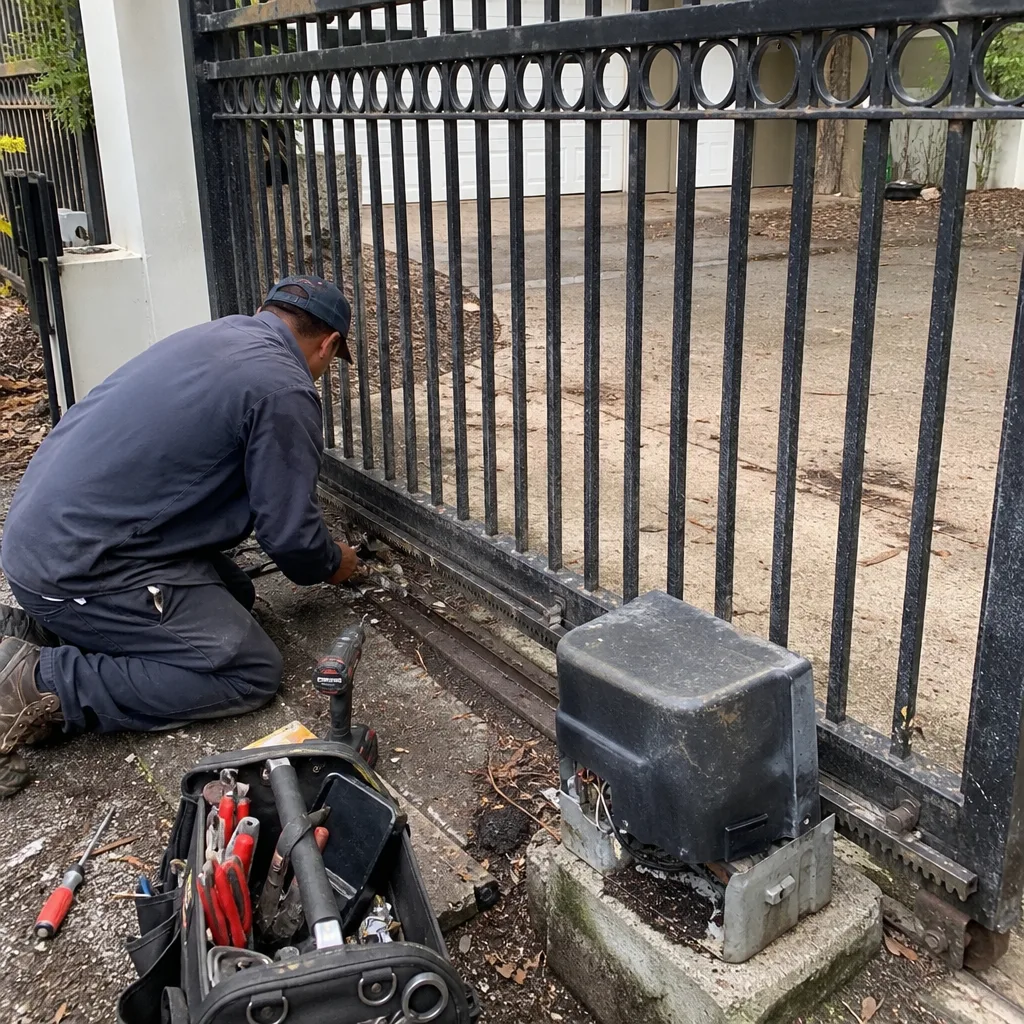 Before
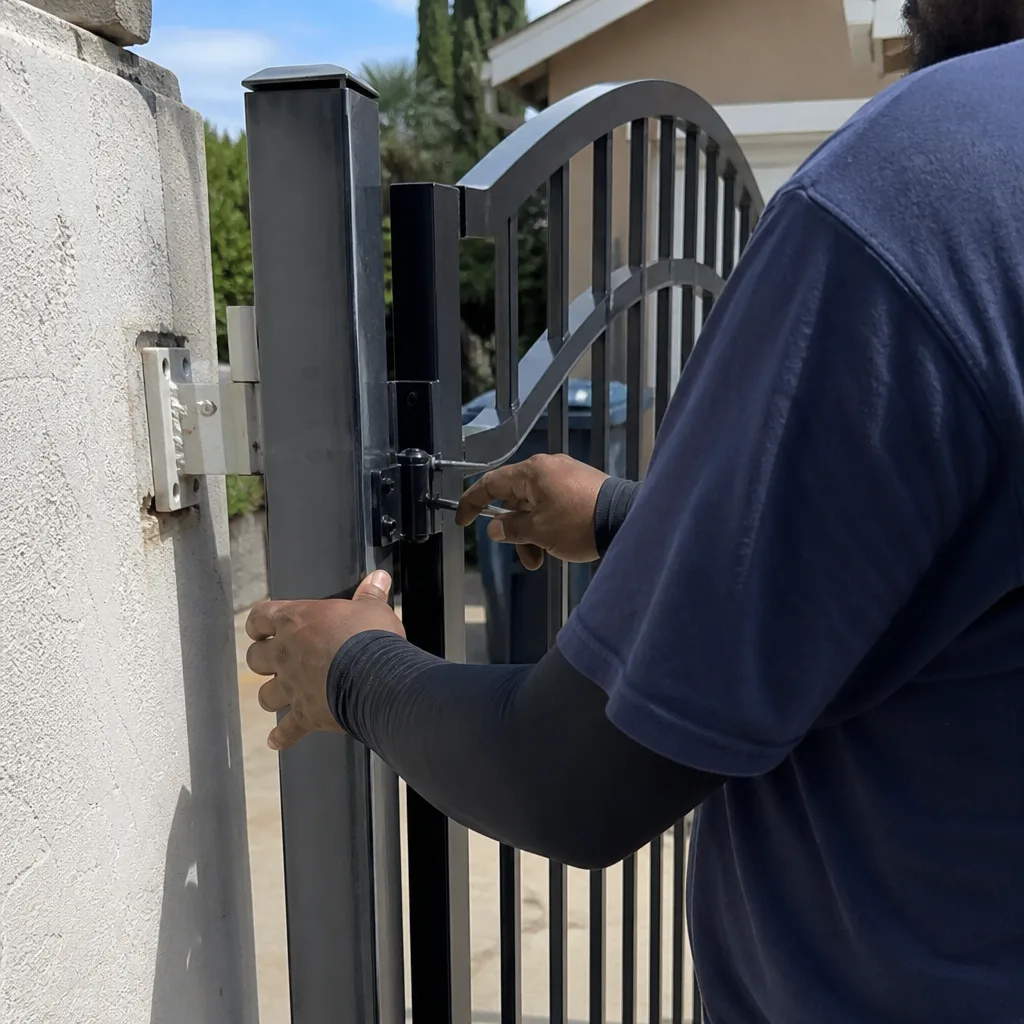 After
After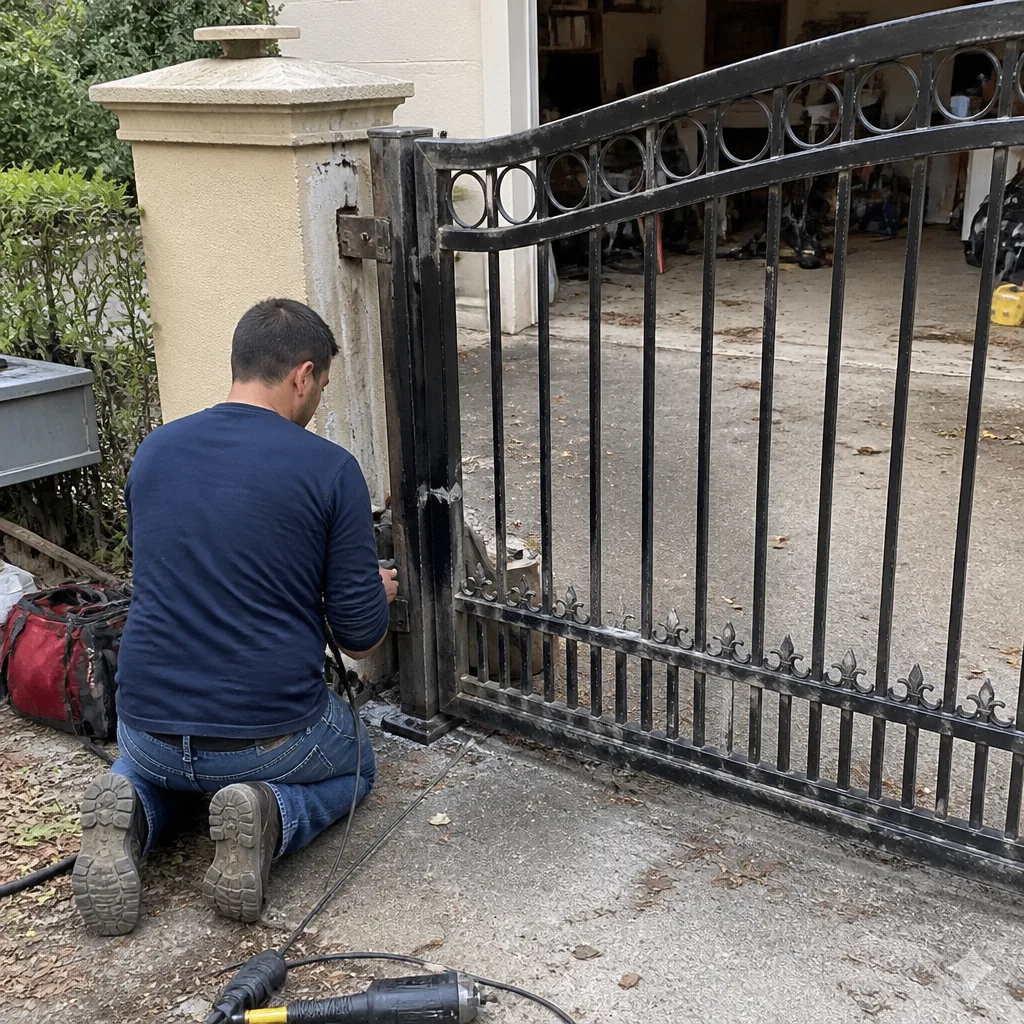 Before
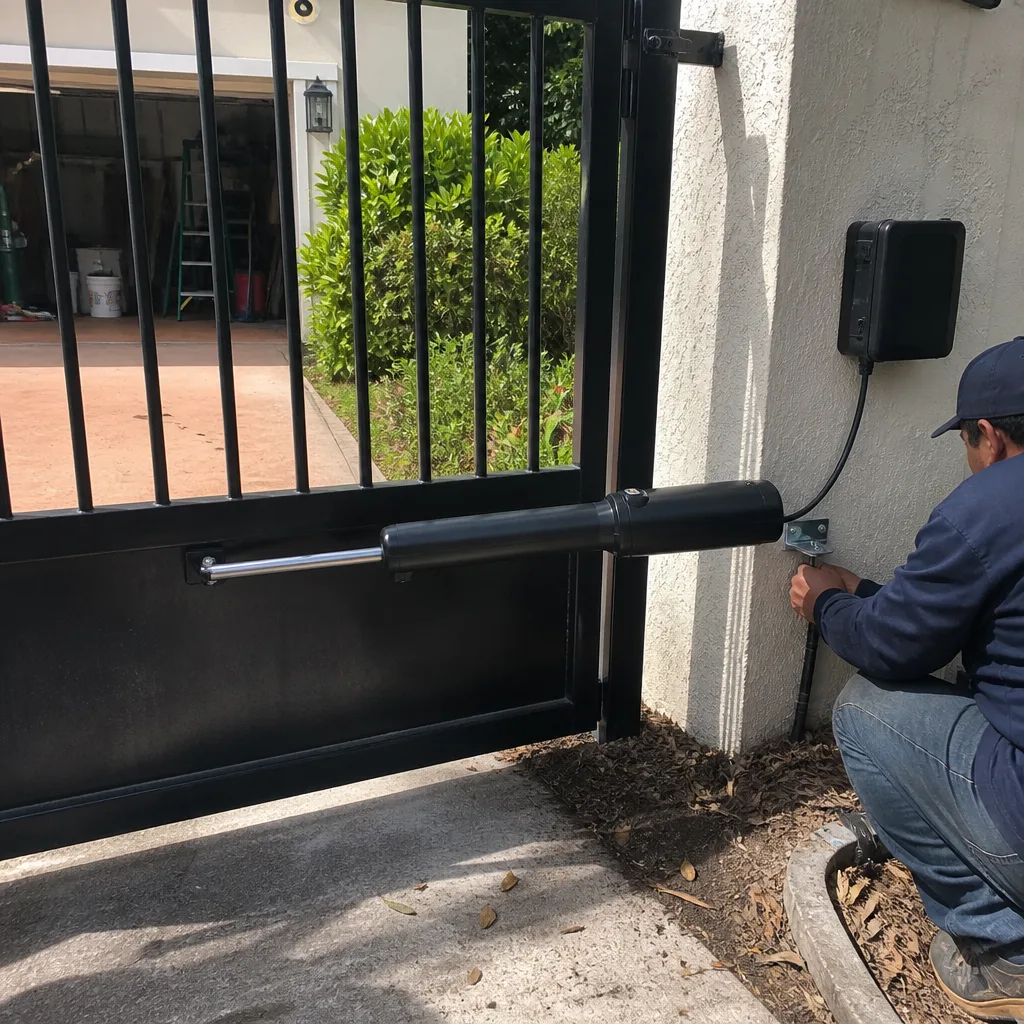 After
After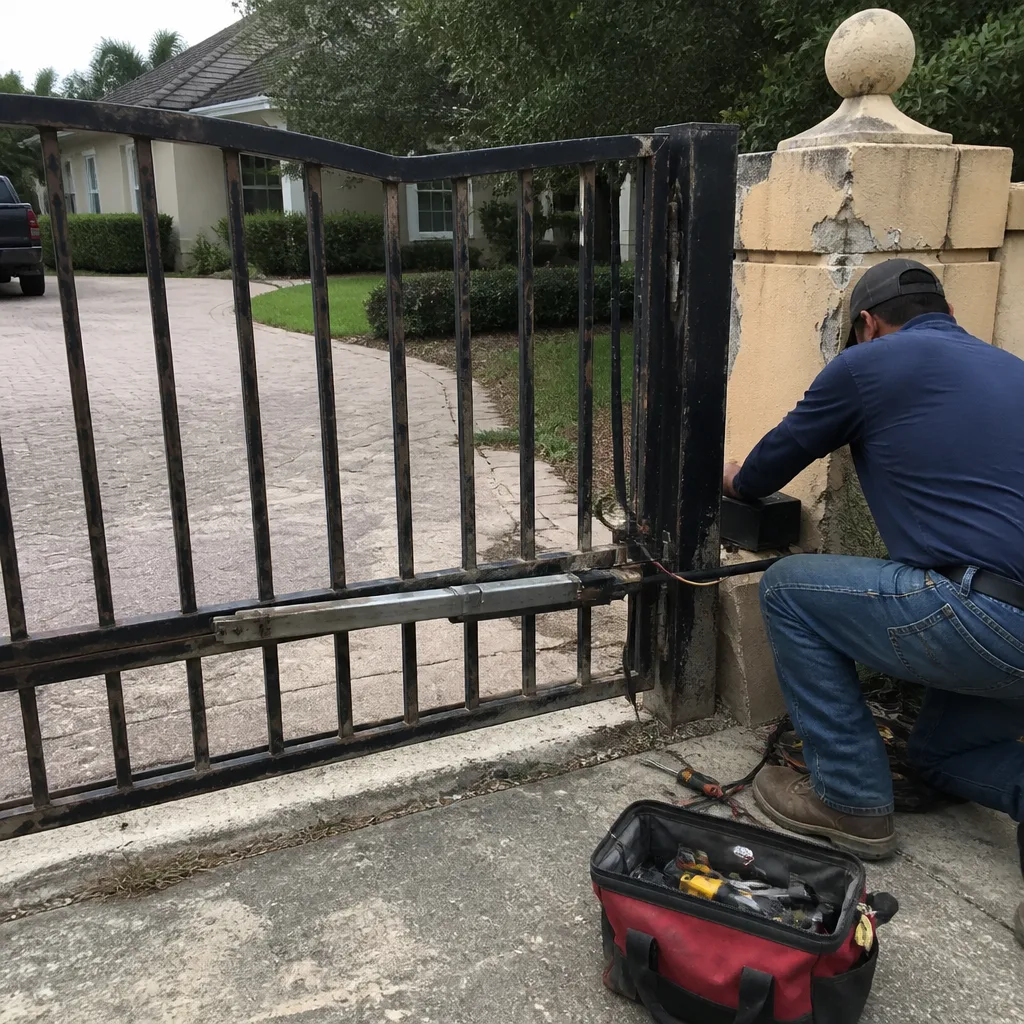 Before
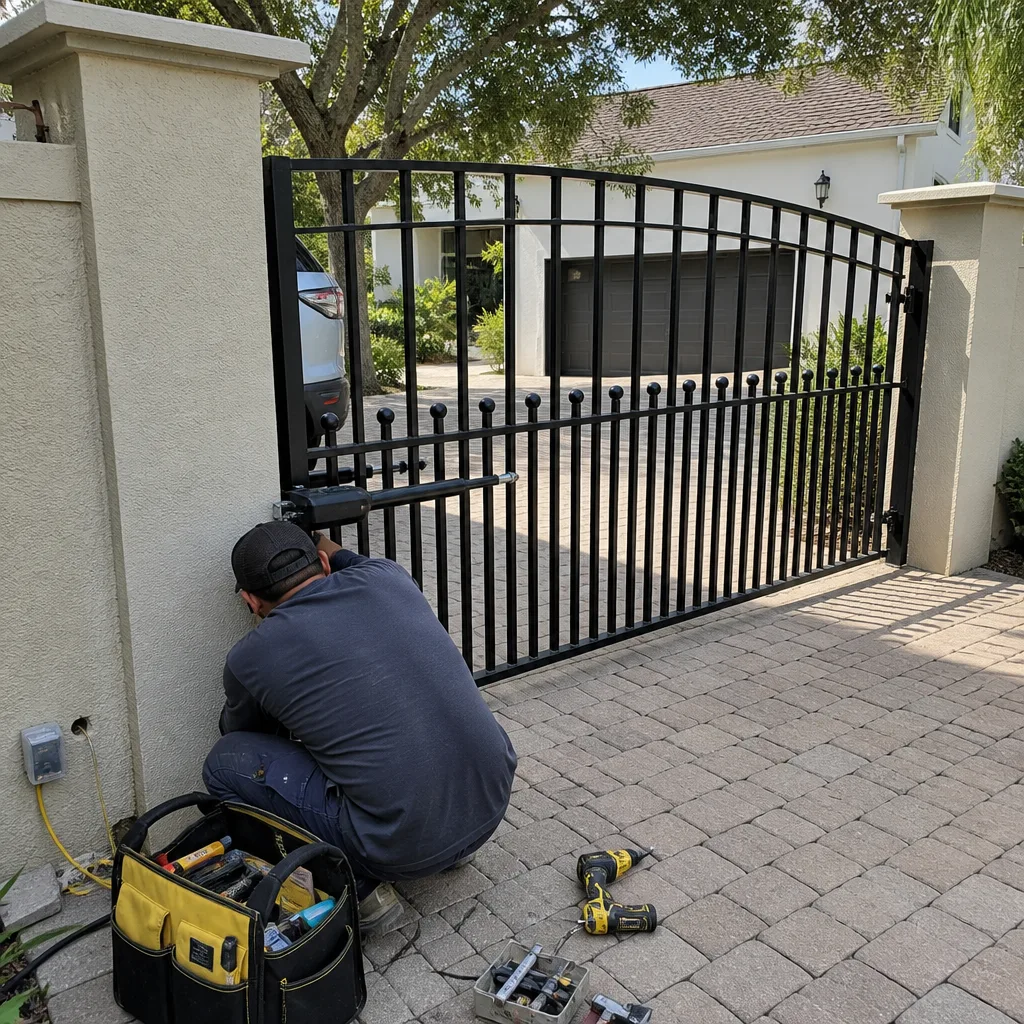 After
After